The modern corporate environment is undergoing a rapid, structural transformation that goes far beyond the initial shift to remote work seen in previous years. Today, organizations are moving past temporary, reactive setups to establish permanent, technology-driven ecosystems. The modern tech stack is no longer just a collection of separate software applications; it serves as the primary operational environment where strategy, execution, and collaboration converge.
Driven by advancements in machine learning, spatial computing, and connected hardware, emerging technology tools are completely redefining how enterprises optimize production, manage hybrid teams, and make complex corporate decisions. This comprehensive analysis explores the primary categories of disruptive technologies that are actively reshaping corporate operations and workforce structures globally.
Agentic AI and Autonomous Workspace Co-Workers
The role of artificial intelligence in the workplace has shifted from a passive, text-based helper to an active, autonomous participant. While initial generative systems required constant human prompting to handle basic tasks, the current corporate landscape relies heavily on agentic AI networks. These systems operate with a high degree of independence, executing entire end-to-end operational workflows rather than simply answering isolated questions.
-
Intent-Driven Operational Execution: Modern enterprise platforms allow employees to articulate desired goals in plain language, leaving the execution strategy to autonomous software agents. For instance, an operations manager can instruct an AI agent to analyze multi-market financial data and generate an audit report. The agent autonomously accesses databases, verifies calculations, formats the final document, and distributes it to the appropriate stakeholders without manual intervention.
-
Self-Healing Software Development: In technology and engineering departments, intelligent code networks are reshaping the software development lifecycle. These specialized systems monitor platform performance constantly, identifying bugs or code regressions and executing programmatic fixes in the background, minimizing system downtime.
-
Predictive Task Orchestration: Agentic networks integrate into corporate communication channels to monitor ongoing team projects. By tracking conversation contexts and task deadlines, the system can automatically draft follow-up agendas, assign support tickets based on specific skill profiles, and prepare brief project summaries for upcoming team synchronizations.
Advanced Workspace Experience and Phygital Analytics Platforms
The continuous coexistence of in-person and remote workflows has created a critical demand for structured, hybrid workplace coordination. To bridge the gap between physical corporate offices and distributed digital teams, enterprises utilize phygital technologies—systems that integrate physical hardware with digital tracking software to optimize space and connectivity.
Privacy-First Spatial Optimization
To manage hybrid real estate costs efficiently, corporate facilities teams deploy advanced occupancy analytics tools. These solutions utilize non-visual sensors, such as millimetric-wave radar technology, to track movement patterns and room utilization across office buildings. Because these camera-free sensors register only presence and zone counts rather than individual identities, businesses gain deep visibility into real estate usage metrics without compromising employee data privacy.
Intelligent HVAC and Environmental Automation
Modern smart offices integrate these privacy-safe sensor networks directly into building management systems. AI-driven heating, ventilation, and air conditioning platforms monitor real-time room occupancy, indoor air quality metrics, and external weather conditions to optimize climate controls continuously. Early adopters utilizing demand-controlled ventilation architectures report major energy savings, reducing standard facility HVAC expenditures significantly.
Next-Generation Collaboration and Immersive Spatial Computing
Relying on traditional two-dimensional video conferencing applications often leads to meeting fatigue and structural communication barriers across distributed global workforces. To build stronger team alignment, organizations are investing heavily in immersive collaboration platforms that combine spatial computing with high-definition audio-visual gear.
-
Intelligent Hybrid Meeting Spaces: Corporate meeting rooms are increasingly equipped with advanced camera arrays and hyper-directional microphones that automatically track active speakers, balance audio levels, and eliminate ambient noise. This ensures that remote employees share an identical visual perspective and communicative presence with on-site colleagues.
-
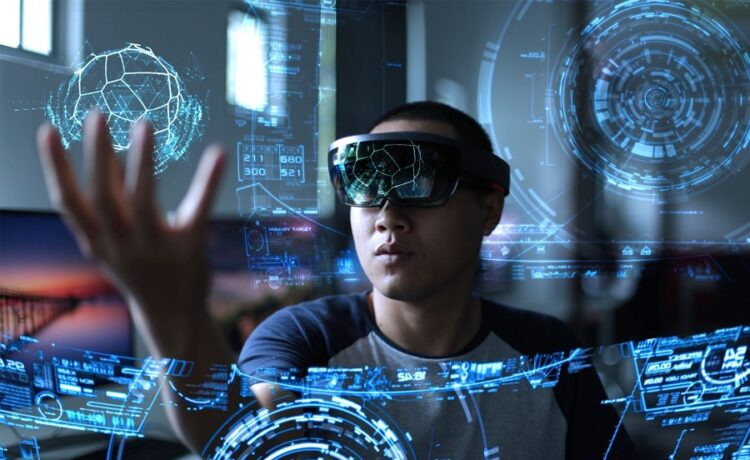
Immersive Spatial Environments: Teams utilize spatial computing headsets and collaborative digital canvases to run product design iterations, architectural reviews, and complex equipment training modules in a shared virtual space. This immersive approach allows a distributed engineering team to manipulate detailed 3D models concurrently, accelerating innovation loops and reducing prototyping expenses.
-
Unified Digital Experience Dashboards: To reduce application sprawl and security vulnerabilities, companies are consolidating communication tools into single digital experience platforms. These unified systems manage scheduling, team messaging, file repositories, and visitor logs via one access point, streamlining the employee digital workflow.
Operational Intelligence and Automated Financial Tech Pipelines
Manual administrative workflows and spreadsheet maintenance are slow, insecure, and highly vulnerable to human data input errors. Modern industrial innovation leverages automated data pipelines to sync day-to-day operations directly to financial ledgers, giving executives immediate access to real-time performance analytics.
Rather than waiting for manual month-end financial summaries, corporate leadership teams utilize automated analytics dashboards that continuously aggregate advertising expenditures, platform transactional revenues, supply chain logistical costs, and asset depreciation metrics. This immediate operational visibility allows leadership to spot emerging margin pressures or supply chain bottlenecks early, facilitating data-driven strategic adjustments. Furthermore, automated compliance engines continuously track shifting global tax frameworks, applying and remitting localized sales taxes instantly across multi-market e-commerce operations.
Frequently Asked Questions
What constitutes a digital experience platform in the context of modern IT infrastructure?
A digital experience platform is an integrated suite of software tools designed to manage, measure, and optimize the entire digital lifecycle of employee and client interactions. Unlike siloed single-purpose applications, a unified platform consolidates content management, team collaboration, data tracking, and internal IT service requests into one secure ecosystem, giving organizations a centralized view of workplace efficiency.
How do modern workplace analytics platforms protect sensitive employee data?
To maintain high privacy standards, advanced workplace analytics platforms avoid tracking individual identifiers, personal names, or private communications. Instead, these systems utilize data aggregation techniques, gathering presence information from anonymous physical room sensors and compiling digital activity patterns into multi-minute time blocks. Access to this data remains strictly role-based, ensuring that facility metrics cannot be connected to individual HR evaluation records.
How does intent-driven development alter the skillset required for future corporate careers?
Intent-driven development shifts the corporate focus away from repetitive technical execution, such as manual software coding or basic data entry, toward high-level strategic architecture, system orchestration, and risk governance. As AI agents handle the underlying mechanical production, human workers must strengthen their capabilities in critical thinking, cross-functional communication, complex problem-solving, and prompt engineering.
What is the primary cause of failure when enterprises implement autonomous AI agents?
The primary reason agentic technology initiatives fail is that organizations attempt to automate broken, disorganized manual processes instead of redesigning the underlying workflow from the ground up. If a business inputs inaccurate data rules or conflicting operational steps into an autonomous system, the technology will simply accelerate the production of errors, causing widespread system friction.
How do spatial computing tools lower operational expenses for global logistics and manufacturing firms?
Spatial computing allows companies to conduct intricate equipment training, safety simulations, and complex product design reviews in a completely virtual environment. This approach removes the necessity of flying international engineers to a physical location, eliminates material waste during early prototyping phases, and minimizes mechanical damage risks by letting technicians practice maintenance protocols virtually before touching actual hardware.
What is shadow AI and how can corporate IT teams mitigate its risks?
Shadow AI refers to the unauthorized use of consumer-grade artificial intelligence tools and browser extensions by employees without the explicit knowledge, review, or approval of the corporate IT security department. This practice introduces massive data privacy leaks and compliance vulnerabilities. IT teams can mitigate this risk by providing official, secure enterprise-grade AI alternatives, implementing strict data access permissions, and conducting regular network compliance audits.