
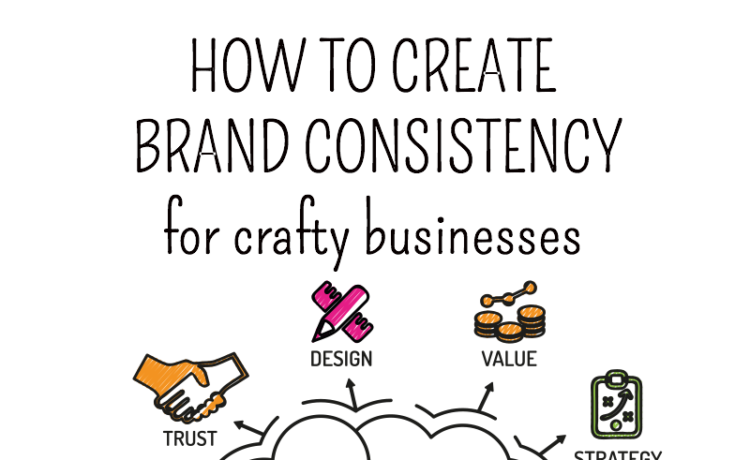
A strong marketing campaign does not begin with ad copy, visuals, or media placement. It begins much earlier, with a clear and intentional branding strategy. Branding defines how a business presents itself, what it stands for, and how it wants to be remembered. When this foundation is solid, marketing campaigns gain direction, consistency, and measurable impact. When it is weak, even well-funded campaigns struggle to deliver lasting results.
The Link Between Branding Strategy and Marketing Outcomes
Branding strategy acts as a decision-making framework for marketing teams. It clarifies the brand’s purpose, voice, values, and positioning, ensuring campaigns are not built on guesswork.
When branding is clearly defined, marketing campaigns benefit in several ways:
-
Messaging remains consistent across platforms
-
Campaign goals align with long-term brand objectives
-
Audiences recognize and trust the brand more quickly
-
Performance metrics improve due to stronger engagement
Without this clarity, campaigns often feel disconnected, confusing, or overly reactive.
How Brand Positioning Improves Campaign Focus
Brand positioning defines where a business stands in the market and how it differs from competitors. This positioning directly influences campaign performance by shaping:
-
Target audience selection
-
Value propositions highlighted in campaigns
-
Emotional tone and messaging style
Campaigns built on strong positioning speak directly to the right audience, reducing wasted spend and improving conversion rates.
Consistent Brand Identity Builds Recognition
Visual and verbal consistency is not about repetition for its own sake. It is about reinforcing familiarity. When campaigns use consistent:
-
Logos and color palettes
-
Typography and layout styles
-
Brand voice and tone
They become easier to recognize and recall. Over time, this recognition lowers customer acquisition costs and improves click-through and response rates.
Brand Voice Shapes Audience Engagement
Brand voice determines how messages are delivered, not just what is said. A defined voice helps campaigns feel authentic and relatable.
A strong brand voice:
-
Sets expectations for how the brand communicates
-
Builds emotional connections with audiences
-
Reduces confusion across multiple campaigns and channels
Marketing campaigns that switch tone frequently often see reduced engagement, as audiences struggle to form a clear perception of the brand.
Strategic Branding Enhances Message Clarity
Branding strategy helps filter marketing messages. Instead of trying to say everything, campaigns focus on what matters most to the brand and its audience.
This clarity leads to:
-
More focused campaign themes
-
Stronger calls to action
-
Higher message retention
Clear branding prevents campaigns from becoming cluttered or overly promotional.
Brand Trust Drives Campaign Performance
Trust is a performance multiplier. When audiences trust a brand, they are more likely to:
-
Click on ads
-
Engage with content
-
Share campaigns organically
-
Convert with less hesitation
Branding strategy builds this trust over time through consistent promises and experiences. Marketing campaigns then benefit from that trust rather than having to earn it from scratch each time.
Long-Term Branding Improves Campaign Efficiency
Campaigns rooted in branding strategy perform better over time because they compound results. Each campaign reinforces the last instead of starting over.
This leads to:
-
Faster audience recognition
-
More predictable performance metrics
-
Stronger return on marketing investment
-
Easier scaling across new platforms or markets
Brand-led campaigns are not just more effective, they are more efficient.
Branding as a Performance Framework, Not a Creative Layer
Branding is often misunderstood as a design exercise. In reality, it is a performance framework that guides every marketing decision. When branding strategy is treated as a core business asset, marketing campaigns become more focused, credible, and impactful.
Campaign success is rarely accidental. It is shaped by the strength of the brand behind it.
Frequently Asked Questions
1. How does branding strategy differ from a marketing strategy?
Branding strategy defines identity, values, and positioning, while marketing strategy focuses on tactics used to promote that identity.
2. Can marketing campaigns succeed without a clear branding strategy?
They may see short-term results, but long-term performance and consistency usually suffer.
3. How does branding affect digital marketing campaign performance?
Strong branding improves engagement, recognition, and trust across digital channels, leading to better performance metrics.
4. Does branding strategy impact paid advertising results?
Yes, clear branding improves ad recall, click-through rates, and conversion efficiency.
5. How often should branding strategy be reviewed?
Branding should be reviewed periodically, especially during market shifts, expansion, or changes in audience behavior.
6. Can small businesses benefit from branding-driven campaigns?
Absolutely. Branding helps smaller businesses compete by creating clarity, trust, and differentiation.
7. How does branding consistency affect campaign analytics?
Consistent branding makes performance trends easier to track and optimize across multiple campaigns and platforms.