
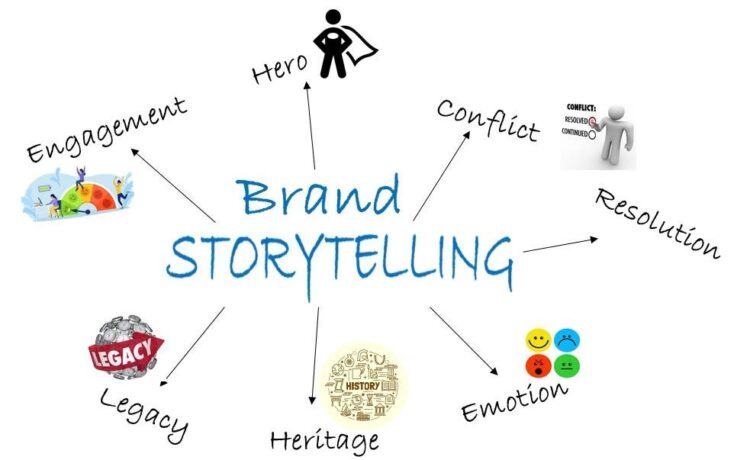
Marketing has evolved beyond listing product features or promotional offers. Audiences now expect brands to communicate meaning, values, and relevance. Storytelling allows businesses to connect with customers on a human level, making brands more relatable, memorable, and trustworthy. When done well, storytelling turns passive audiences into engaged communities.
Modern b2b marketing combines research, strategic messaging, and digital outreach to connect companies with relevant prospects. A well planned approach can help businesses improve visibility while creating stronger opportunities throughout the sales process.
Why Storytelling Matters in Modern Marketing
Consumers are exposed to thousands of marketing messages every day. What cuts through the noise is not louder messaging, but emotionally resonant narratives. Stories help people process information faster and remember it longer.
Strong brand storytelling helps businesses:
-
Build emotional bonds rather than transactional relationships
-
Communicate values without sounding promotional
-
Increase brand recall and loyalty
-
Humanize complex products or services
A well-told story gives customers a reason to care beyond price or convenience.
Start With a Clear Brand Purpose
Every effective story begins with clarity. Before crafting campaigns, brands must define why they exist beyond making money. This purpose becomes the foundation for consistent and authentic storytelling.
Key questions to clarify brand purpose include:
-
What problem do we genuinely care about solving?
-
What values guide our decisions and behavior?
-
How do we want customers to feel when they interact with us?
When purpose is clear, storytelling feels natural rather than forced.
Make the Customer the Hero
One of the most effective storytelling techniques is shifting the spotlight away from the brand. Instead of positioning the business as the hero, make the customer the central character and the brand the guide.
This approach works because:
-
Customers see themselves reflected in the story
-
The brand feels supportive rather than self-centered
-
Success stories become more relatable and credible
Case studies, testimonials, and user-generated content are powerful tools for reinforcing this narrative.
Use Emotion Without Manipulation
Emotion is at the heart of memorable stories, but authenticity matters. Audiences quickly detect exaggerated or insincere messaging. The goal is to reflect real experiences, not manufacture drama.
Effective emotional storytelling often focuses on:
-
Relief from frustration
-
Confidence gained after solving a problem
-
Belonging to a shared community
-
Pride in making better choices
Subtle, honest emotion builds trust over time.
Keep the Narrative Simple and Focused
Complex stories dilute impact. The strongest brand stories are easy to follow and centered on a single message. Simplicity ensures that the audience understands not just the story, but its relevance.
To maintain clarity:
-
Focus on one core challenge and one outcome
-
Avoid excessive jargon or abstract language
-
Use clear beginnings, progress, and resolution
A focused narrative respects the audience’s attention and improves retention.
Show, Don’t Just Tell
Storytelling becomes more convincing when supported by real actions and evidence. Brands that live their stories consistently across touchpoints earn credibility.
Ways to show your story include:
-
Behind-the-scenes content that reflects brand values
-
Real employee or customer experiences
-
Consistent tone across websites, emails, and social media
-
Visual storytelling through images and short videos
Consistency between words and actions strengthens emotional connection.
Adapt Stories Across Channels Without Losing Meaning
Different platforms require different formats, but the core story should remain intact. A brand story can be expressed through long-form blogs, short social posts, videos, or presentations, as long as the message stays consistent.
Effective adaptation involves:
-
Adjusting length and format, not values
-
Maintaining the same voice and emotional tone
-
Reinforcing key themes across channels
This repetition builds familiarity without feeling repetitive.
Measure Connection, Not Just Reach
Storytelling success goes beyond views or clicks. Strong brand connection shows up in engagement quality and long-term loyalty.
Meaningful indicators include:
-
Repeat engagement and return visits
-
Time spent consuming content
-
Comments that reflect emotional response
-
Increased brand advocacy and referrals
These signals reveal whether stories are truly resonating.
FAQ
What makes a brand story authentic rather than promotional?
Authentic brand stories are rooted in real values, real experiences, and consistent behavior rather than exaggerated claims or sales-focused messaging.
Can small businesses use storytelling effectively with limited budgets?
Yes. Storytelling relies more on clarity and honesty than production scale. Customer stories and behind-the-scenes content are cost-effective options.
How often should brands update their core story?
The core story should remain stable, but its expression can evolve as the business grows, markets change, or new audiences emerge.
Is storytelling suitable for B2B marketing?
Absolutely. Decision-makers are still people, and stories help explain complex solutions, build trust, and demonstrate real-world impact.
How do you balance emotion and information in storytelling?
Start with emotional relevance, then support it with clear facts and outcomes. Emotion captures attention, while information builds confidence.
What role do visuals play in brand storytelling?
Visuals enhance understanding and emotional response, making stories easier to remember and share across platforms.
How long does it take to see results from storytelling efforts?
Brand storytelling is a long-term strategy. While engagement may improve quickly, deeper trust and loyalty develop over consistent storytelling over time.