
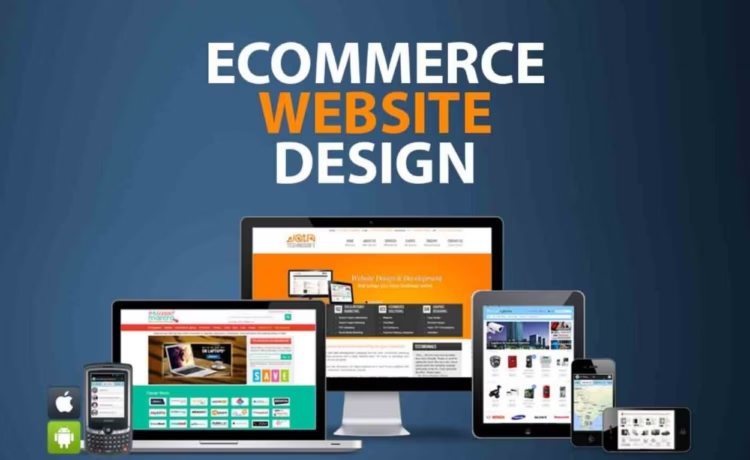
In e-commerce, design is not just about appearance. Every layout choice, color, and interaction subtly guides how visitors feel, think, and decide. A well-designed website reduces hesitation, builds trust, and makes purchasing feel effortless. Poor design, even with great products, can push potential buyers away within seconds.
Below are the most impactful e-commerce website design choices that directly influence buying decisions.
Clear Navigation That Reduces Cognitive Load
Shoppers arrive with a goal, whether specific or exploratory. If they struggle to find products or categories, they are more likely to leave than search harder.
Effective navigation design focuses on clarity and simplicity:
-
Logical product categories with familiar labels
-
A visible and responsive search bar
-
Minimal menu depth to avoid confusion
-
Consistent navigation across all pages
When users can move through the site without thinking, they stay longer and explore more products.
Visual Hierarchy That Guides Attention
Visual hierarchy determines what users notice first, second, and last. Strong hierarchy helps shoppers focus on products and calls to action instead of being overwhelmed.
Key elements of effective visual hierarchy include:
-
Prominent product images placed above the fold
-
Clear contrast between primary actions and secondary links
-
Strategic use of whitespace to separate sections
-
Consistent font sizes and styles for headings and descriptions
A clean structure helps users scan pages quickly and absorb information without friction.
High-Quality Product Images and Media
In online shopping, visuals replace physical interaction. Product images often matter more than written descriptions.
Design choices that improve confidence include:
-
Multiple product images from different angles
-
Zoom functionality for detailed inspection
-
Lifestyle images showing real-world use
-
Short product videos for complex or premium items
Clear visuals reduce uncertainty and increase the likelihood of completing a purchase.
Trust Signals Integrated Into the Design
Trust is a major factor in buying decisions, especially for first-time visitors. Design plays a central role in conveying credibility.
Common trust-building design elements are:
-
Customer reviews displayed near product titles
-
Secure payment icons and badges near checkout
-
Transparent pricing with no hidden charges
-
Easy-to-find contact and support information
When trust signals are visible but not intrusive, shoppers feel safer moving forward.
Mobile-First and Responsive Layouts
A large share of e-commerce traffic now comes from mobile devices. Design choices that work well on desktop but fail on mobile can drastically reduce conversions.
Mobile-friendly design focuses on:
-
Fast-loading pages
-
Large, tappable buttons
-
Simplified menus and filters
-
Readable text without zooming
A responsive layout ensures consistent usability across devices, protecting sales opportunities on smaller screens.
Streamlined Checkout Experience
Checkout design is one of the most critical conversion points. Even motivated buyers abandon carts if the process feels long or complicated.
Effective checkout design includes:
-
Minimal number of steps
-
Guest checkout options
-
Clear progress indicators
-
Simple form layouts with auto-fill support
Reducing friction at checkout directly improves completion rates.
Strategic Use of Color and Contrast
Color influences emotion and action. Thoughtful color choices guide users toward key decisions without overwhelming them.
Smart color usage involves:
-
High-contrast call-to-action buttons
-
Neutral backgrounds that highlight products
-
Consistent brand colors to reinforce recognition
-
Limited use of attention-grabbing colors to avoid distraction
The goal is not decoration, but direction.
Fast Load Times and Performance-Focused Design
Design elements that slow down a site can undo all other efforts. Speed affects trust, usability, and search visibility.
Performance-conscious design prioritizes:
-
Optimized images and media files
-
Clean layouts without unnecessary animations
-
Lightweight fonts and scripts
-
Efficient page structure
A fast site feels professional and reliable, which encourages buyers to stay and complete purchases.
FAQ: E-commerce Website Design and Buying Behavior
How does website design affect conversion rates in e-commerce?
Design influences how easily users find products, trust the brand, and complete purchases, all of which directly impact conversions.
Why is visual consistency important for online stores?
Consistency reduces confusion, builds familiarity, and helps shoppers feel more confident navigating the site.
Do minimalist designs perform better for e-commerce websites?
Minimalist designs often perform better because they reduce distractions and keep focus on products and actions.
How important is mobile optimization for e-commerce success?
Mobile optimization is critical, as a significant portion of online shoppers browse and buy using smartphones.
Can poor checkout design cause cart abandonment?
Yes, complicated forms, unexpected costs, and slow checkout flows are common reasons for abandonment.
What role does typography play in buying decisions?
Readable fonts improve comprehension and comfort, making product information easier to digest and trust.
Is page speed really a design issue?
Yes, design choices directly affect load times, which influence user patience, trust, and purchase intent.